
SINGLE TOOTH IMPLANTS IN STRATFORD-UPON-AVON
Missing one tooth, or a gap of a few? A dental implant replaces the root of the tooth, then a crown or bridge is fixed on top, so you get a fixed replacement that doesn't rely on the teeth either side.
The aim is a tooth that feels comfortable, looks in keeping with your smile, and suits your situation.
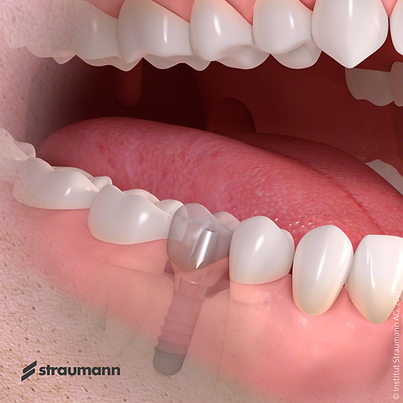
One missing tooth: an implant and crown
-
Fixed replacement that feels stable and secure
-
Does not rely on or alter neighbouring teeth
-
Designed to look natural and blend with your smile
- Helps support the surrounding bone
-
Allows you to eat and speak comfortably without movement

Several missing teeth: implants and a bridge
-
Fixed replacement for several missing teeth
-
Often supported by fewer implants than teeth replaced
-
No need to damage healthy neighbouring teeth
-
Stable, secure alternative to a denture
-
Restores comfortable chewing and function
Single tooth and small gap cases: before and after
SINGLE IMPLANT WITH VENEERS CASE STUDY

BEFORE

AFTER
SINGLE IMPLANT CASE STUDY 2

BEFORE

AFTER
SINGLE IMPLANT CASE STUDY 3

BEFORE

AFTER
SINGLE IMPLANT CASE STUDY 4

BEFORE

AFTER
SMALL GAP CASE STUDY 1

BEFORE

AFTER
SMALL GAP CASE STUDY 2

BEFORE

AFTER
SMALL GAP CASE STUDY 3

BEFORE

AFTER
Implant, bridge or denture?
There are three main ways to replace missing teeth. A conventional bridge is fixed to the teeth on either side, which usually means drilling them down for crowns. A denture is removable, and many people find it moves when they eat or speak. An implant stands on its own, so the neighbouring teeth are left alone, and it is fixed in place.
At your consultation Stephen will talk you through which option suits you, including the ones that aren't implants.
Same-day implants after an extraction
Where a failing tooth needs to come out, it's sometimes possible to remove it, place the implant and fit a temporary tooth on the same day, so you're never without a tooth. Whether this is possible depends on the bone and gum around the tooth; Stephen will tell you at planning.
How treatment is planned
Every case starts with a careful assessment, including a CT scan (a 3D X-ray) where needed. Depending on the gap and the teeth around it, the plan may be a single implant for one tooth, or a small number of implants holding a fixed bridge.
Digital guided surgery (the implant position planned on computer beforehand) is often used to keep the procedure as simple as possible.
What to expect, stage by stage
-
Consultation: your options, a CT scan if you need one, and a written plan with costs.
-
Implant placement: under local anaesthetic, with sedation available.
-
Healing: the implant bonds with the bone for around 10 weeks.
-
Your new tooth or bridge is made and fitted.
You'll know exactly what is planned before anything is done.
Guide fees
-
Comprehensive implant consultation: £150 (includes CBCT 3D imaging where clinically indicated)
-
Replacing a back tooth: from £2,500
-
Replacing a front tooth, including minor grafting if needed: £4,000
-
Implant-supported bridge (e.g. a 3-tooth bridge): £6,000
Finance is available. You'll get an individual written quote after your consultation.
Do you need one implant per tooth?
Not always. Two implants can often hold a three-tooth bridge, which means less surgery and a lower cost than three separate implants. It depends on where the gap is and how much bone there is.
Not enough bone?
After a tooth is lost, the bone and gum around it shrink. Where needed, the site can be built up first with bone grafting, a sinus graft (adding bone beneath the sinus in the upper back jaw) or gum grafting. If you need any of these, you'll get written information and a quote before anything goes ahead.
Comfort and sedation
Appointments are deliberately unhurried.
Local anaesthetic is used as standard, and conscious sedation (medicine that leaves you relaxed and drowsy but still able to respond) is available if you feel anxious.
Looking after your implant
Brush and clean between your teeth as normal, using any aids you're shown for cleaning around the implant.
Regular check-ups and hygiene appointments help keep the gum around it healthy.